
Stories and News
Every time a child is reborn, I know why I do this work
I am Beate Kuppers, a paediatric anaesthetist and intensivist, and for years I have worked at the Santa Chiara Hospital in Pisa, where the Regional Pathway for cleft lip and palate has been running since 2016. It all began more than 20 years ago, when I took part in an international cooperation project on […]
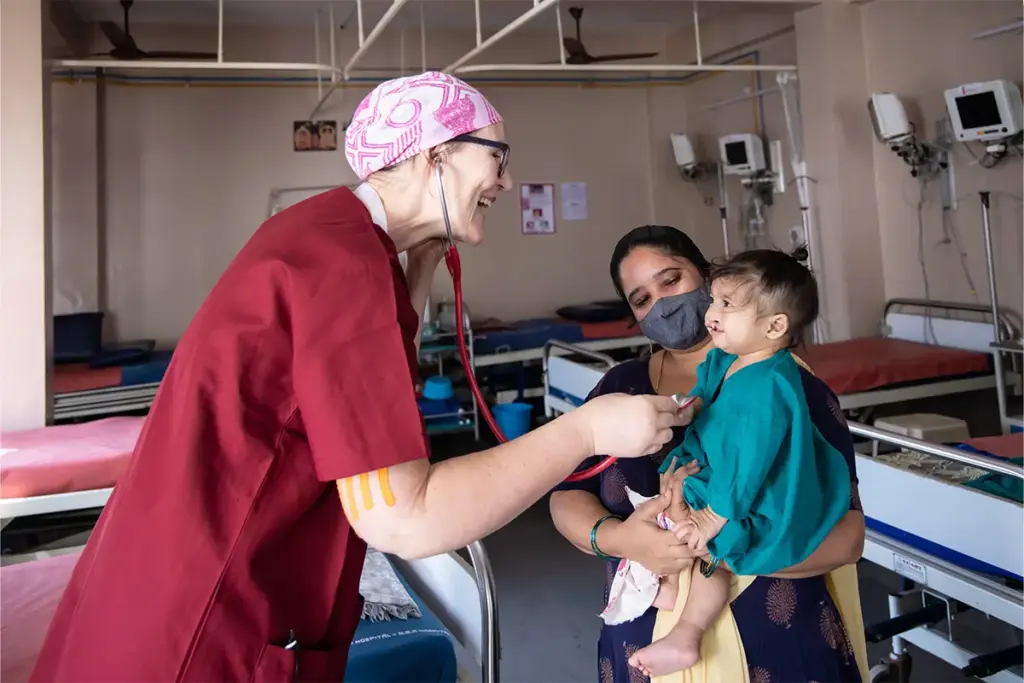
I am Beate Kuppers, a paediatric anaesthetist and intensivist, and for years I have worked at the Santa Chiara Hospital in Pisa, where the Regional Pathway for cleft lip and palate has been running since 2016. It all began more than 20 years ago, when I took part in an international cooperation project on behalf of a non-governmental organisation (NGO). As part of this project there was also a period of plastic and reconstructive surgery dedicated to children with congenital and acquired malformations. And it was here that, for the first time, I came face to face with orofacial clefts. I soon realised the complexity of this condition and the immense impact it had on the future of these children, but also on their families. In resource-limited countries these children are often considered a curse on the family, regarded as useless mouths to feed; they are not sent to school and are often abandoned to their fate.
Once back home, I asked to be transferred to the Anaesthesia and Intensive Care Service to which the Regional Centre for the Treatment of Cleft Lip and Palate belonged. And it was there that, over the years, I was able to devote more and more of my professional time to this condition. We came to realise, however, that the needs of the children and their families concerned not only surgery and safe anaesthesia, but also other aspects such as speech therapy, dentistry, otorhinolaryngology, neonatology/paediatrics, genetics and psychology. Together with the association of the parents of our little patients and with the hospital management, we worked to provide an answer to these needs, and in 2016 the Cleft Lip and Palate Pathway was born within the hospital, comprising, in addition to surgery, the multidisciplinary clinic and the dedicated inpatient ward. In the meantime, having also obtained a second specialisation in Paediatrics, I became the person responsible for the perioperative management of our patients.
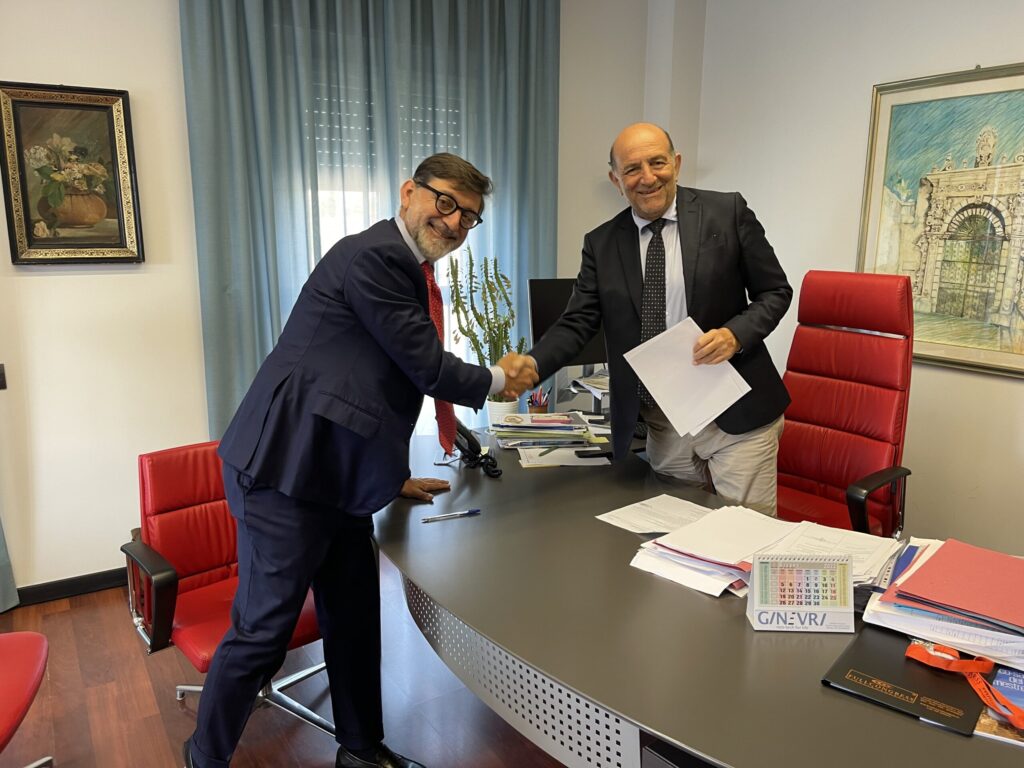
Throughout all these years I have continued to volunteer with various humanitarian organisations that treat cleft lip and palate in resource-limited countries. I have collaborated for several years and am a member of the Scientific Committee of Smile House Fondazione ETS, which has developed a national network project in Italy made up of centres of excellence such as the one in Pisa, which in July 2023, thanks precisely to a Memorandum of Understanding between the Hospital Authority and the Foundation, became a Smile House Centre.
The Smile Houses are tasked with following children from prenatal diagnosis until the end of their development. To date, the Network cares for 65% of the patients affected by these conditions. I was also part of a commission appointed by the Ministry of Health for the National Agency for Regional Health Services to define the care pathways for the treatment and management of patients affected by cleft lip and palate.
I am proud to be able to share my professional experience with colleagues, to organise training sessions, to collaborate on drawing up care pathways for patients with cleft lip and palate, but above all to take part in the continuous improvement of the care of people affected by this condition. For this reason, in a sense, I consider the Smile House a little like my own home, because it reflects what I believe to be the fundamental aspects of caring for our patients.
But the most wonderful moment of my professional work is seeing the emotion on the parents’ faces when they come to collect their child on leaving the operating theatre after surgery. Incredulous and overwhelmed with emotion, they often whisper: “today they were born again”.
Explore the news