

Legacy giving
Choosing to make a charitable will and include Smile House Fondazione ETS among the beneficiaries means leaving a tangible mark: a legacy of commitment that translates into medical care, rehabilitation pathways, psychological support, training for professionals, specialist equipment and clinical research.
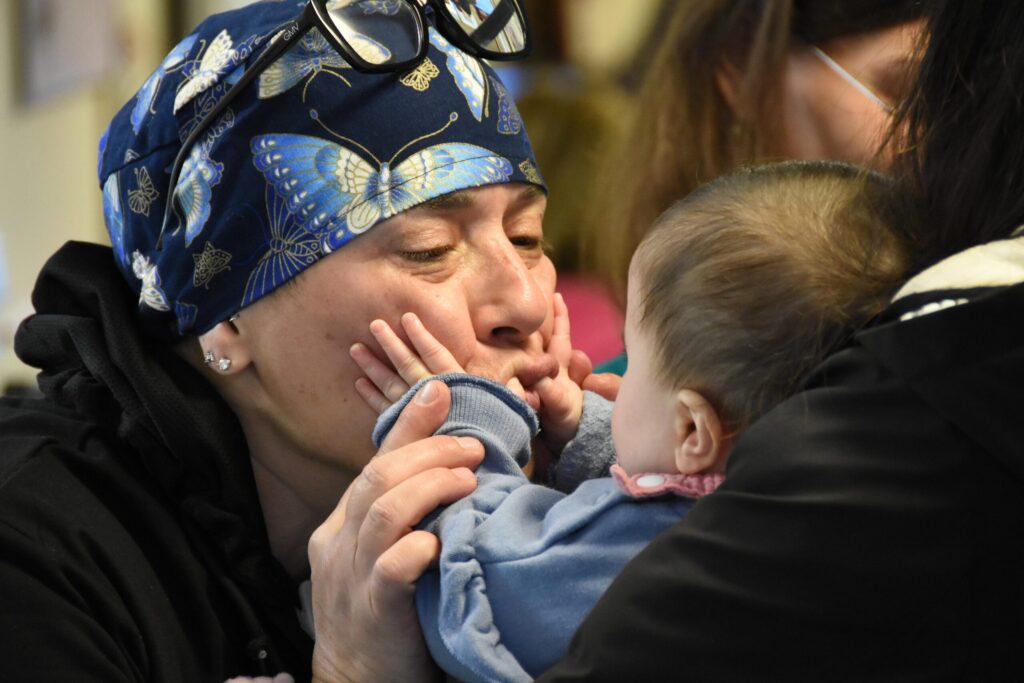
An act of love that lasts over time
A charitable bequest allows you to leave – even in a small amount – movable or immovable property, sums of money, securities or insurance policies in favour of organisations that work for the common good.
You don’t need great wealth to do this: every contribution, however modest, can become a driving force for real change, helping patients born with facial malformations receive specialist care.
A charitable bequest takes nothing away from your loved ones, but adds value to what you choose to leave behind in your memory.
How your legacy will be used
Choosing to include Smile House Fondazione ETS in your will is an act of profound trust. The Foundation is committed to turning every bequest into lasting action, caring for patients along a pathway that begins with prenatal diagnosis and continues into adulthood.
- Care pathways: bequests guarantee complete, ongoing care for young patients, covering every stage: from surgery to speech therapy and psychological support.
- Training programmes: the Foundation promotes ongoing training for doctors, nurses and specialists, making the care system ever more skilled and integrated.
- Research projects: supporting research means developing new clinical protocols and deepening our understanding of the causes of these malformations, to ensure ever more effective and personalised care.
- Medical and scientific equipment: a bequest can be used to purchase state-of-the-art equipment, such as 3D technology for planning surgery, concretely improving the quality of care.
Would you like to know more? Request our Guide to Charitable Bequests.
F.A.Q.
What is a charitable bequest?
A charitable bequest – or more precisely a testamentary bequest – is an act by which a person decides to leave part of their estate to a cause they believe in. It is a gesture of solidarity that makes it possible to keep helping others even beyond one’s own lifetime.
Do you need great wealth to consider leaving a bequest?
No. Even a small sum or an item of modest value can make a big difference. Every bequest – regardless of its size – helps strengthen the Foundation’s projects and support those facing a long care pathway.
What can I leave to Smile House Fondazione ETS in my will?
You can leave sums of money, movable property (such as jewellery, works of art, furniture, securities), immovable property (such as houses or land), or a life insurance policy.
Can a bequest take anything away from my heirs?
No. The will must respect the rights of the statutory heirs (spouse, children and, in their absence, parents). Only the so-called “disposable” portion of the estate can be freely left to organisations such as Smile House Fondazione ETS. A notary or legal adviser can help you draw up your will correctly.
How can I name Smile House Fondazione ETS in my will?
You need to include a clear statement with the exact name and tax details, for example: “I leave to Smile House Fondazione ETS, with registered office in Rome, Via Germanico 172 – 00192 Rome, Tax Code: 97175550587, the following asset: […]”.
We recommend consulting a notary to make sure your wishes are expressed correctly and in accordance with the law.
Do I need to inform Smile House Fondazione ETS of my choice?
It isn’t compulsory, but it’s very useful. Letting us know of your intention to include the Foundation in your will allows us to thank you, offer you support with the process, and share updates on the projects you will be supporting.
Can I change my mind after writing my will?
Absolutely. A will can be changed or cancelled at any time.
How will you use my bequest?
What you leave through your solidarity will contributes directly to the three pillars on which Smile House Fondazione ETS‘s work is founded: the centrality of care, excellence in training and the value of research. Find out more in Our Project.