

Skip to content

SH-INT

Through the programme SH-INT (Smile House International), the Foundation has given life to a growing network of international collaborations: it is the tool through which we export the Smile House Model to create a network of accessible, continuous and human care in every corner of the world.

We believe that the care of facial malformations does not end in the operating theatre, but requires integration between different fields of knowledge, ongoing training and deep attention to the social context in which the patient lives.

Discover some concrete examples of our commitment on a global scale.

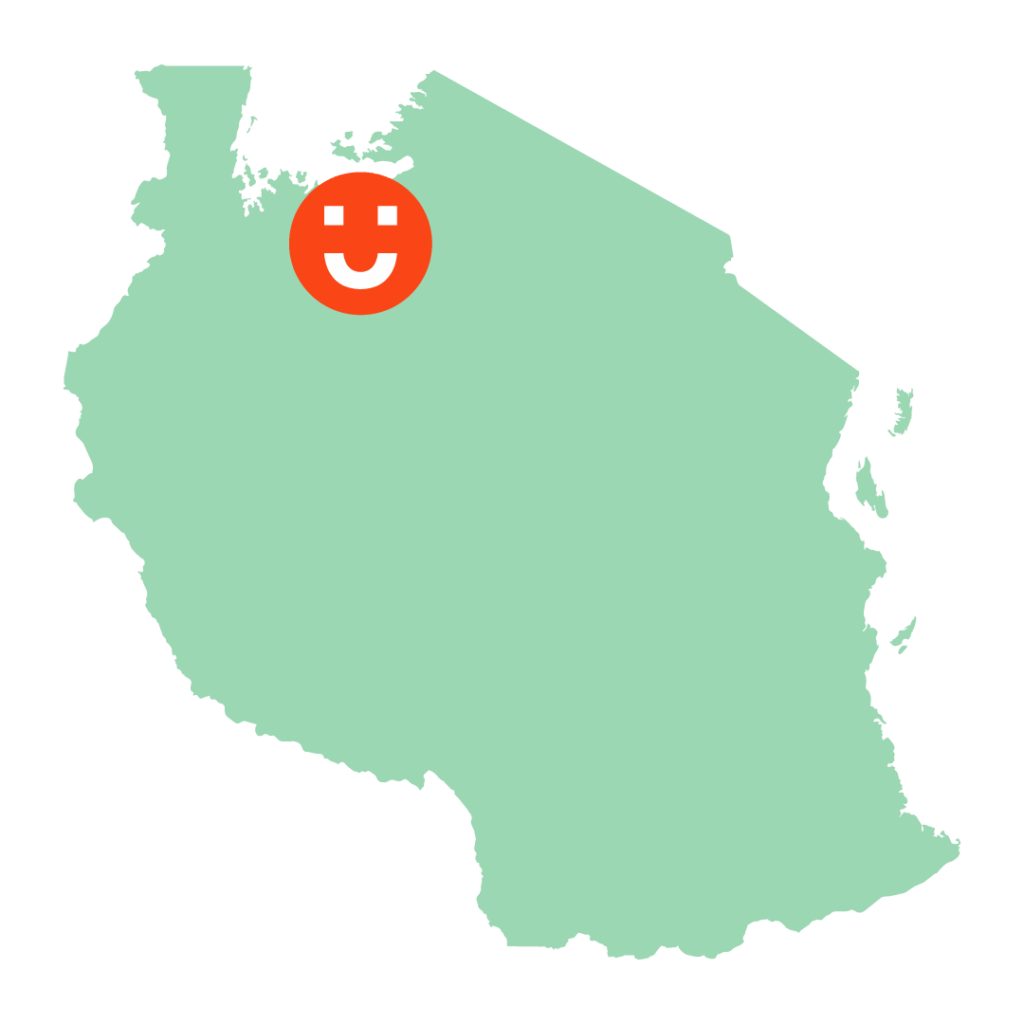
Tanzania: towards a new Centre of Excellence

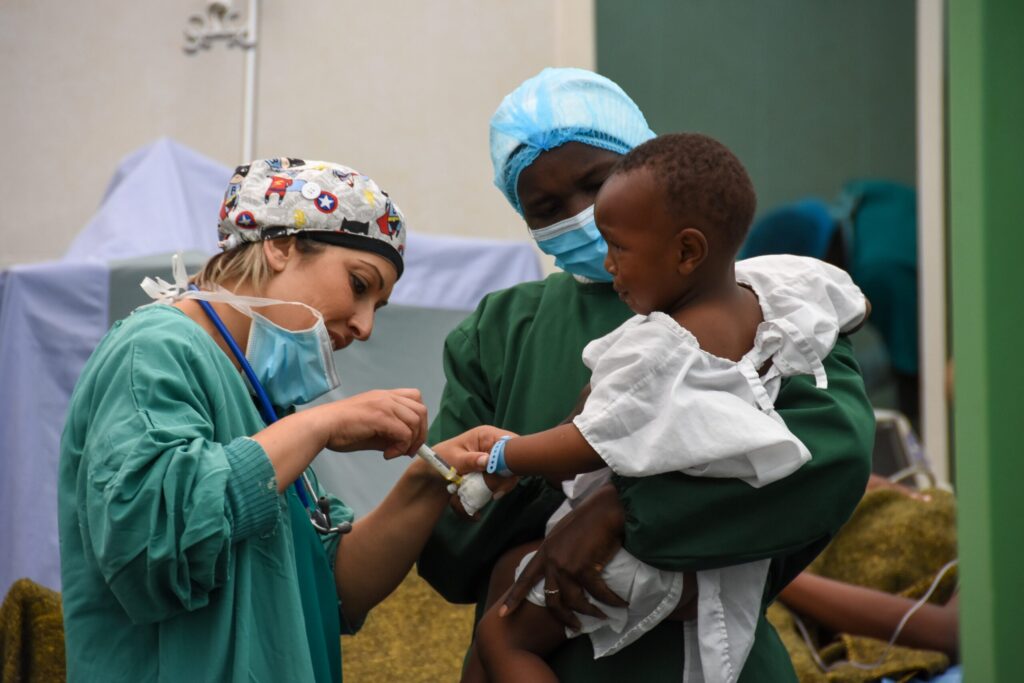
In Tanzania, our project involved an assistance and training programme at the Bugando Medical Hospital in Mwanza. We worked to train local healthcare staff, with a specific focus on maxillofacial surgeons, laying the foundations for the launch of a Centre of Excellence dedicated to the treatment of cranio-maxillofacial malformations within the hospital itself.

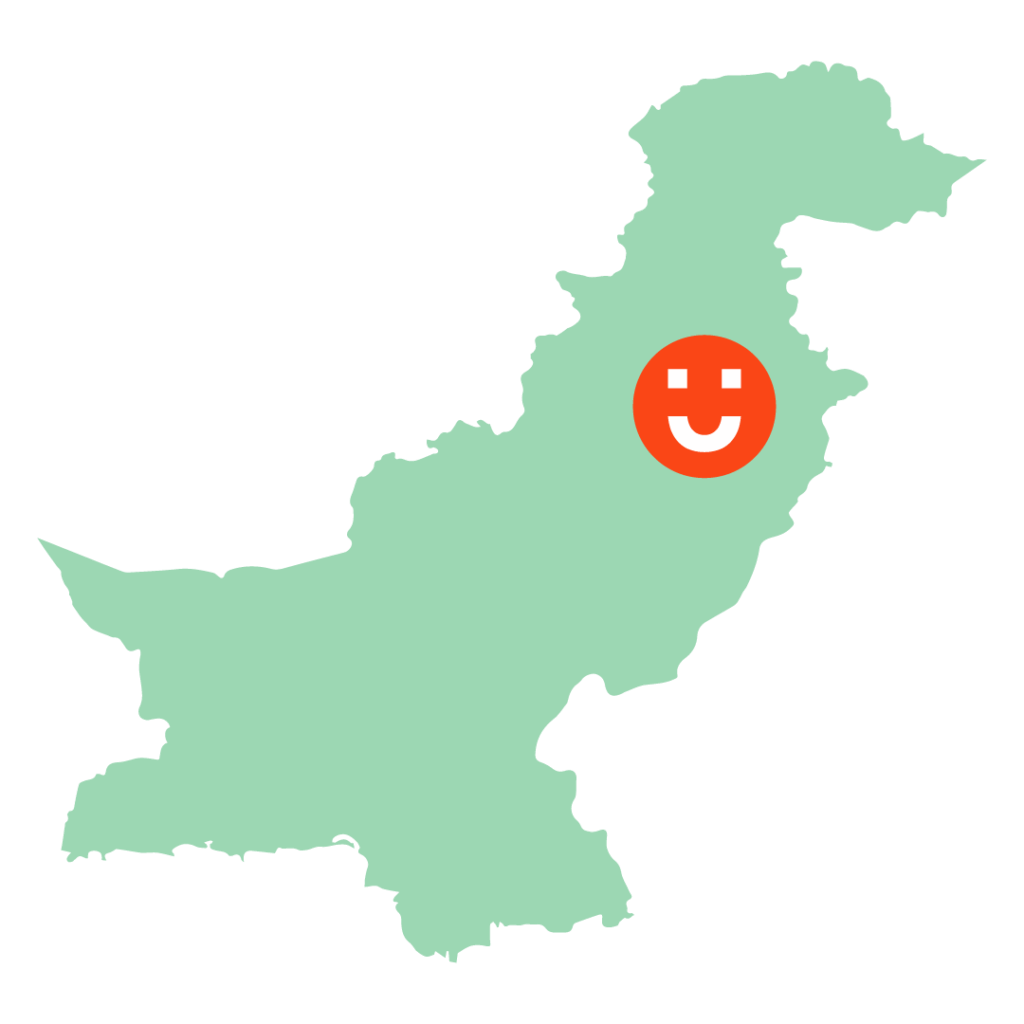
Pakistan: a solid bond for care

We have renewed the memorandum of understanding with the Cleft Lip And Palate Association of Pakistan, supporting an organisation that operates with values similar to our model.
Our commitment includes:
• support to operate on a hundred patients a year born with facial malformations;
• the launch of professional exchange and refresher programmes;
• the development of joint projects in training and research.

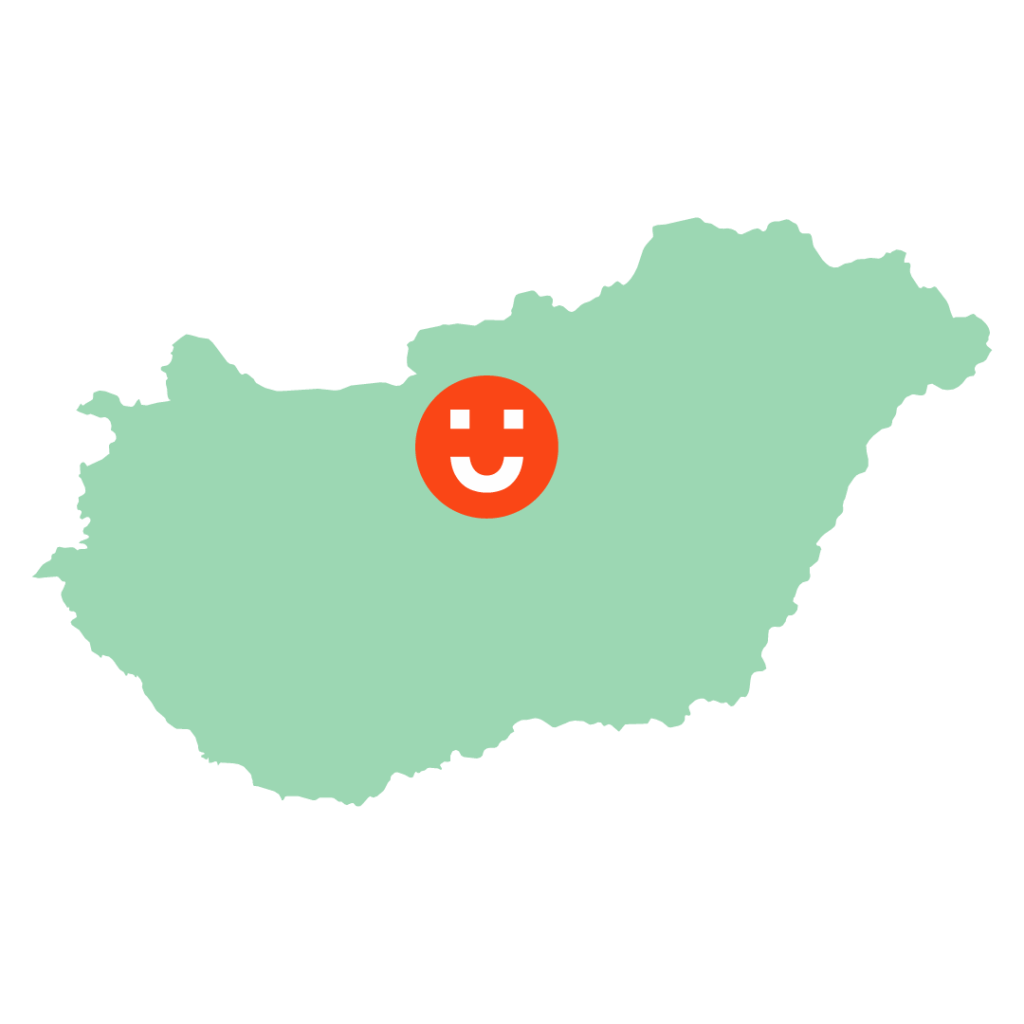
Hungary: new European synergies

In Hungary, we have begun a series of discussions at the paediatric clinic of Semmelweis University (through the Intercleft Foundation). The aim of these meetings is to assess Intercleft’s request to become part of the Smile House network, bringing our excellent care protocols to the heart of Europe.

Armenia: continuity and shared futures

In Armenia, we carried out site visits to the Soldiers Hospital and the Children’s Hospital in Yerevan to assess the possibility of future local collaboration. On this occasion, we also carried out post-operative check-ups on patients previously operated on in Italy as part of the SH-IP programme, ensuring that continuity of care which is at the heart of our model.

Kenya: surgery and teaching in the field

We carried out a surgical and training mission at the Catholic Hospital in North Kinangop. A team of 9 volunteers examined 15 patients, of whom 9 were operated on. The mission was also joined by medical residents specialising in maxillofacial surgery from the University of Padua, combining clinical activity with a fundamental teaching and training purpose.

International missions with the Italian Navy

Thanks to our long-standing collaboration with the Ministry of Defence and the Italian Navy, we have launched international medical missions based on the “dual use” vocation of the Armed Forces. Our focus is on vulnerable minors and people unable to access care.

Philippines

On board the aircraft carrier Cavour, as part of the 31st Naval Group of the Italian Navy and the Italian Carrier Strike Group, we set up a surgical and training medical mission. During the stopover in the port of Manila, our team – made up of 8 members including doctors and nurses and supported by a local team of 6 volunteer doctors and nurses – examined and operated on 7 patients.

India

Still aboard the aircraft carrier Cavour, during the stopover in the port of Goa, our team – made up of 10 specialists, including doctors and nurses, and supported by a local team of 7 volunteer doctors and nurses – examined 18 patients, managing to operate on 12 of them. The mission also had a strong educational focus: we trained 19 local trainee specialists, passing on theoretical and practical skills in the treatment of craniofacial malformations.